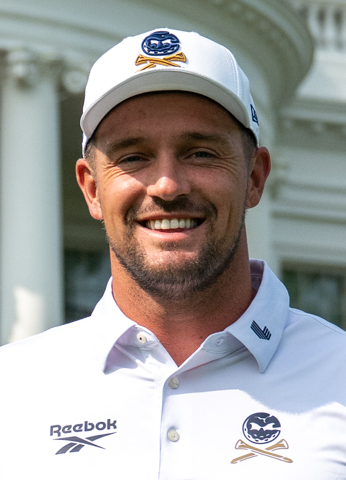
Professional golf remains at an unprecedented crossroads as players aligned with LIV Golf, including two-time U. S. Open champion Bryson DeChambeau, face an extended timeline regarding potential pathways back to the PGA Tour. Ongoing negotiations between the PGA Tour Policy Board, Strategic Sports Group, and Saudi Arabia's Public Investment Fund have stretched well past initial target deadlines, leaving defected marquee players in regulatory limbo concerning domestic tournament access and eligibility. DeChambeau, who famously claimed his second U. S. Open title at Pinehurst No. 2 with a dramatic final-round performance, has consistently voiced optimism regarding unified competitive landscapes. However, the governance machinery responsible for establishing reentry criteria continues to weigh several contentious variables, notably punitive financial clawbacks, sponsor exemption standards, and equity distribution formulas for players who chose loyalty to the PGA Tour throughout the disruption.
Financially, DeChambeau occupies an insulated tier. His move to LIV Golf in 2022 was secured through a reported multi-year guarantee exceeding $125 million, complemented by substantial team equity as captain of the Crushers GC franchise. During LIV Golf's individual seasons, DeChambeau has amassed tens of millions in tournament prize money alone, adding to an established career PGA Tour purse tally that surpassed $30 million prior to his suspension. Despite these guaranteed earnings, the competitive absence from premier PGA Tour Signature Events like the Genesis Invitational, the Arnold Palmer Invitational, and the Memorial Tournament limits access to elevated $20 million operational purses and the FedEx Cup playoff bonus pool, which awards $25 million to the season-long champion. The delay also amplifies significant world ranking consequences. Because LIV Golf events do not offer Official World Golf Ranking points, players like DeChambeau rely almost entirely on Major Championships to secure points. While DeChambeau holds a ten-year exemption to the U. S. Open and five-year exemptions into the Masters, PGA Championship, and The Open Championship by virtue of his Major triumphs, many of his peers face precipitous declines down the OWGR standings.
This drop progressively closes entry doors into golf's premier events for players lacking recent Major hardware. Tournament directors across Florida and throughout the traditional PGA Tour schedule have expressed private desire to see golf's brightest stars reunited on broadcast television. DeChambeau remains one of the sport's primary digital and television ratings drivers, with his YouTube channel generating millions of views and re-engaging younger demographics. Broadcasters and corporate sponsors have repeatedly pointed toward audience fatigue over fragmented fields, emphasizing that marquee tournaments are diminished when transcendent talents are barred from participating. PGA Tour leadership, under intense scrutiny from ranking members and player directors, must balance the economic necessity of reunification against the rightful claims of loyalty bonuses distributed via PGA Tour Enterprises. Proposed concepts for reintegrating players like DeChambeau have included season-long suspensions, mandatory financial donations to PGA Tour charities, or strict quotas limiting former LIV competitors to a specified number of domestic starts per season. As committee meetings continue behind closed doors, DeChambeau and fellow high-profile players must wait out the administrative process while prioritizing major championships and LIV team commitments. The ultimate decision will shape the trajectory of men's professional golf for the next decade, dictating how billions in sports investment capital are distributed and whether elite international fields can once again compete under a unified banner.