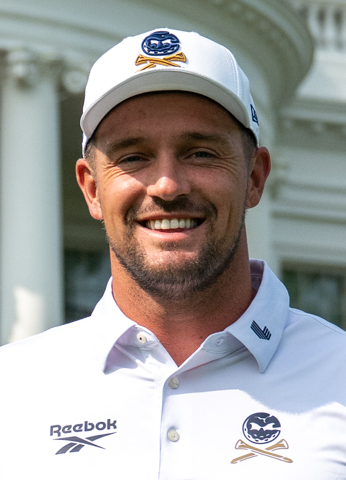
The advent of LIV Golf and the subsequent influx of Saudi Public Investment Fund capital into the ecosystem have dramatically reshaped the financial landscape of professional golf. While initial fears centered on the complete dismantling of traditional tours, the sport has instead entered a transitional era defined by massive purses, elevated events, and fierce debates over legacy versus guaranteed money. Top players like Bryson DeChambeau capitalized significantly on the shift, securing monumental signing bonuses and lucrative payouts that permanently altered athlete earnings expectations.
Beyond the financial windfall, the integration and friction between traditional PGA Tour loyalists and LIV competitors have reframed major championships as the primary battlegrounds where these divided factions finally collide. Television ratings, sponsorship models, and player scheduling have all undergone radical transformations as organizers fight to retain fan interest in an increasingly fragmented market. Despite concerns regarding sportswashing and the moral implications of state-backed sports funding, the core mechanics of competitive golf?
namely executing shots under intense pressure? remain fundamentally unchanged. However, the business side of the sport will never revert to its pre-2022 norms, leaving administrators with the ongoing challenge of unifying a fractured fanbase and establishing a sustainable long-term model for professional competition worldwide.